 Login with Google
 Signin with Apple
Medicine if the Future
Dr. James Muchiri , Kenya Jan 04, 2026
The medicine of the future will not smell like antiseptic or sound like monitors. It will sound like conversation. It will look like movement. It will feel suspiciously ordinary.
It will happen before anyone becomes a patient.
For a long time, medicine has been excellent at rescue. When the body collapses, we rush in with precision, protocols, and pharmaceuticals. This is heroic work. Necessary work. But rescue is not the same as care, and it is certainly not the same as prevention.
The future of medicine begins upstream.
It begins in how people move their bodies daily, not once a year on a hospital bed. It begins in whether communities feel seen, connected, and competent. It begins in whether health is something people do together or something done to them.
In that future, exercise is not a punishment for being overweight. It is a social ritual. A reason to gather at dawn. A shared language that needs no translation. Functional movement becomes medicine because it restores what modern life quietly erodes: strength, balance, confidence, agency.
Measurement still matters, but it changes character. Blood pressure, waist circumference, pulse, trends over time. Collected calmly, without drama. Not to label people as sick, but to notice when the body whispers before it screams.
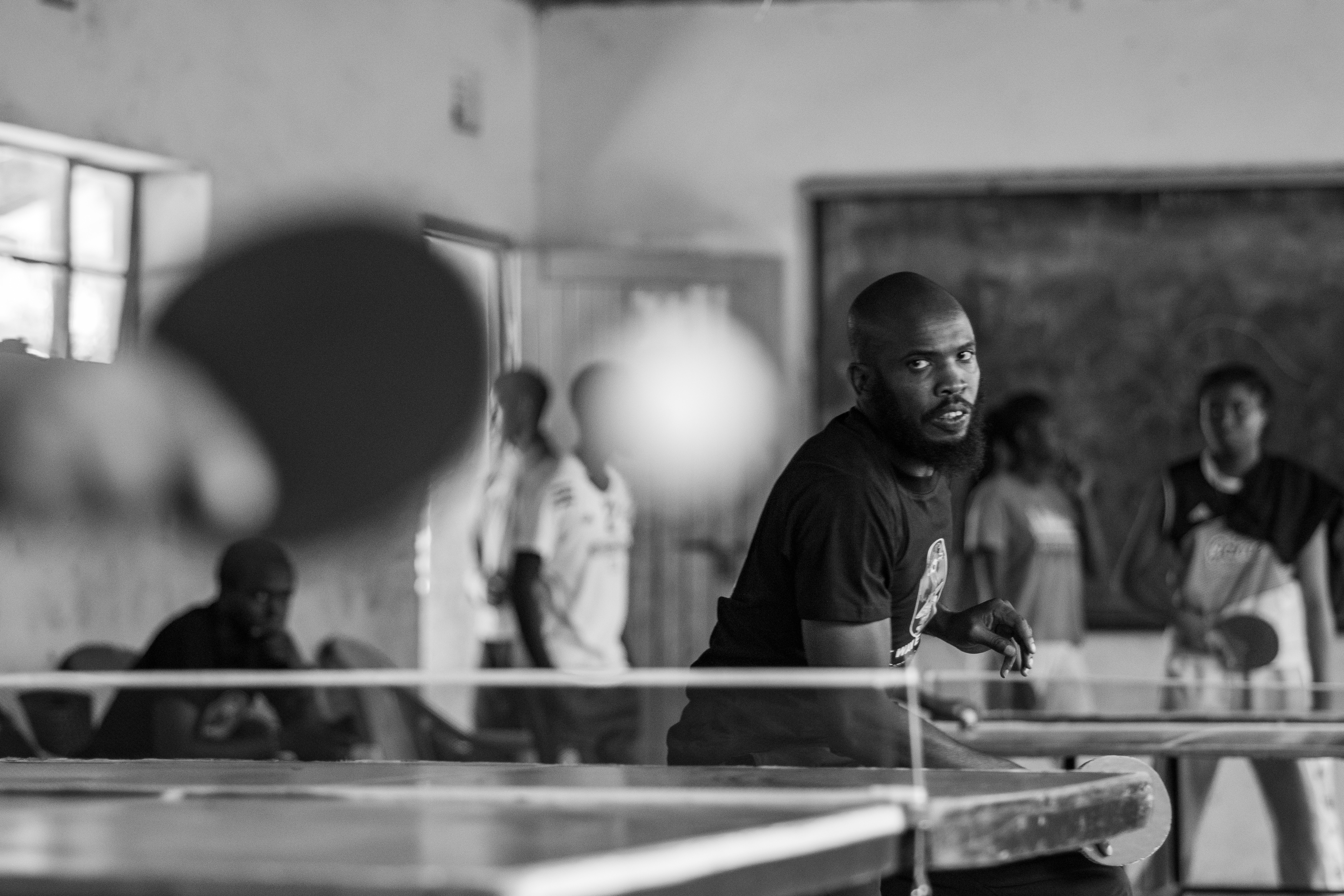
The clinic walls soften. Some of the most important consultations happen over a chessboard, a table tennis rally, a shared walk, a cup of coffee. Cognitive health is not separated from physical health. Mental wellbeing is not outsourced to crisis moments. Belonging becomes a clinical intervention.
Technology plays a role, but not as spectacle. Artificial intelligence in the future of medicine is quiet, respectful, and useful. It lowers barriers instead of raising them. It helps people ask better questions about their own lives. It assists communities to organize, learn, and adapt without surrendering privacy or dignity. AI becomes a bicycle for health, not a replacement for human judgment.
Importantly, the medicine of the future is local before it is global. It is designed with communities, not dropped into them. It recognizes that behavior changes faster when people see themselves in the solution. When health feels like something owned, not prescribed.
Hospitals will still be there. Drugs will still save lives. Surgery will still be miraculous. But the center of gravity shifts.
The most powerful medicine of the future is time. Time spent moving. Time spent together. Time spent paying attention early. Time spent building systems that reward consistency instead of crisis.
The future doctor looks less like a gatekeeper and more like a systems designer. Someone who understands bodies, yes, but also environments, habits, incentives, and culture. Someone who knows that the strongest prescription is often not written on paper.
Medicine of the future does not wait for disease to announce itself.
It meets people where they are, helps them move forward together, and quietly makes illness less likely in the first place.
And when it works, almost no one notices.
Which is exactly the point.
Login to Comment