 Login with Google
 Signin with Apple
Time costs more than concrete
Abigael Rotich , Kenya Dec 17, 2025
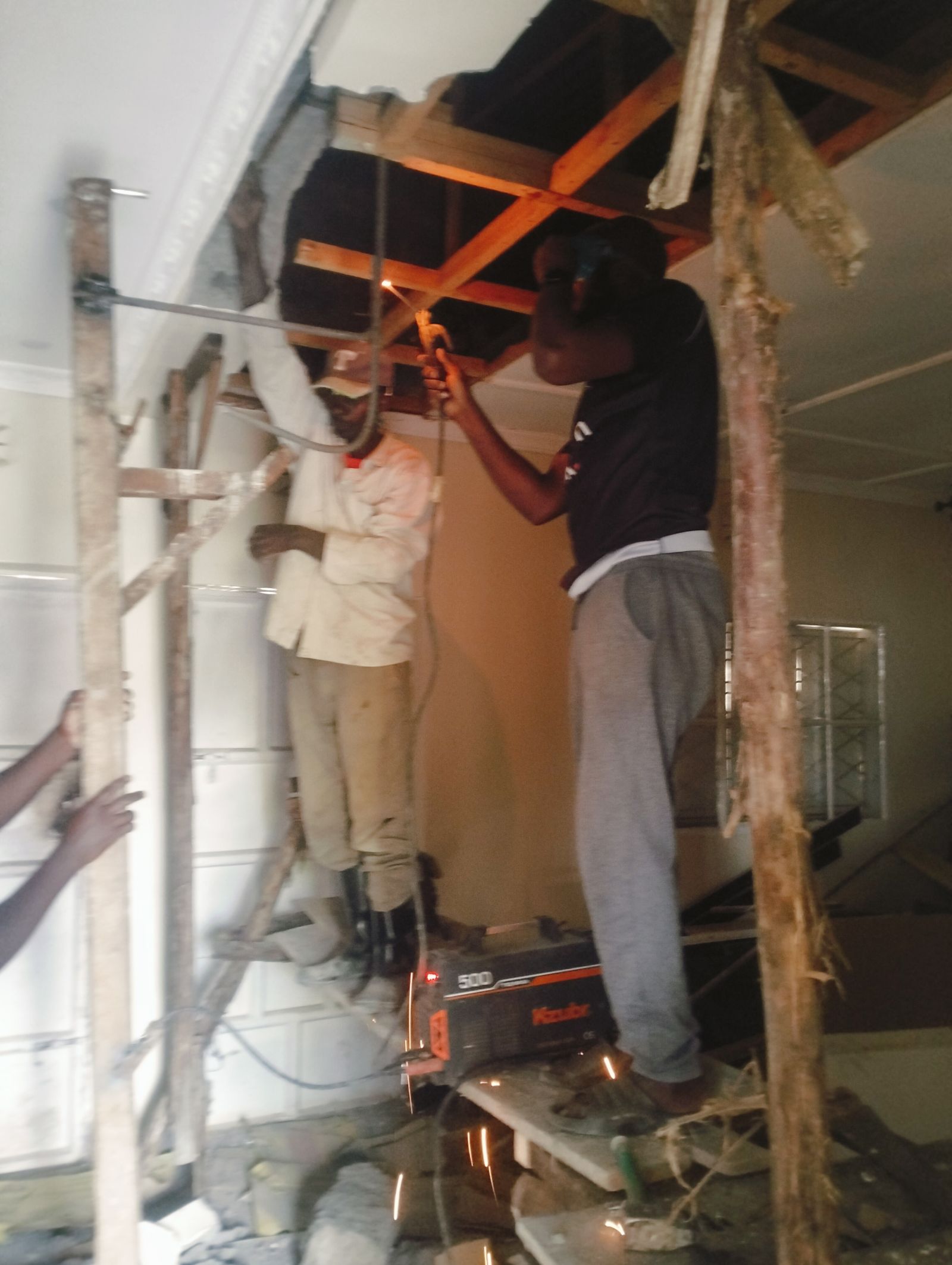
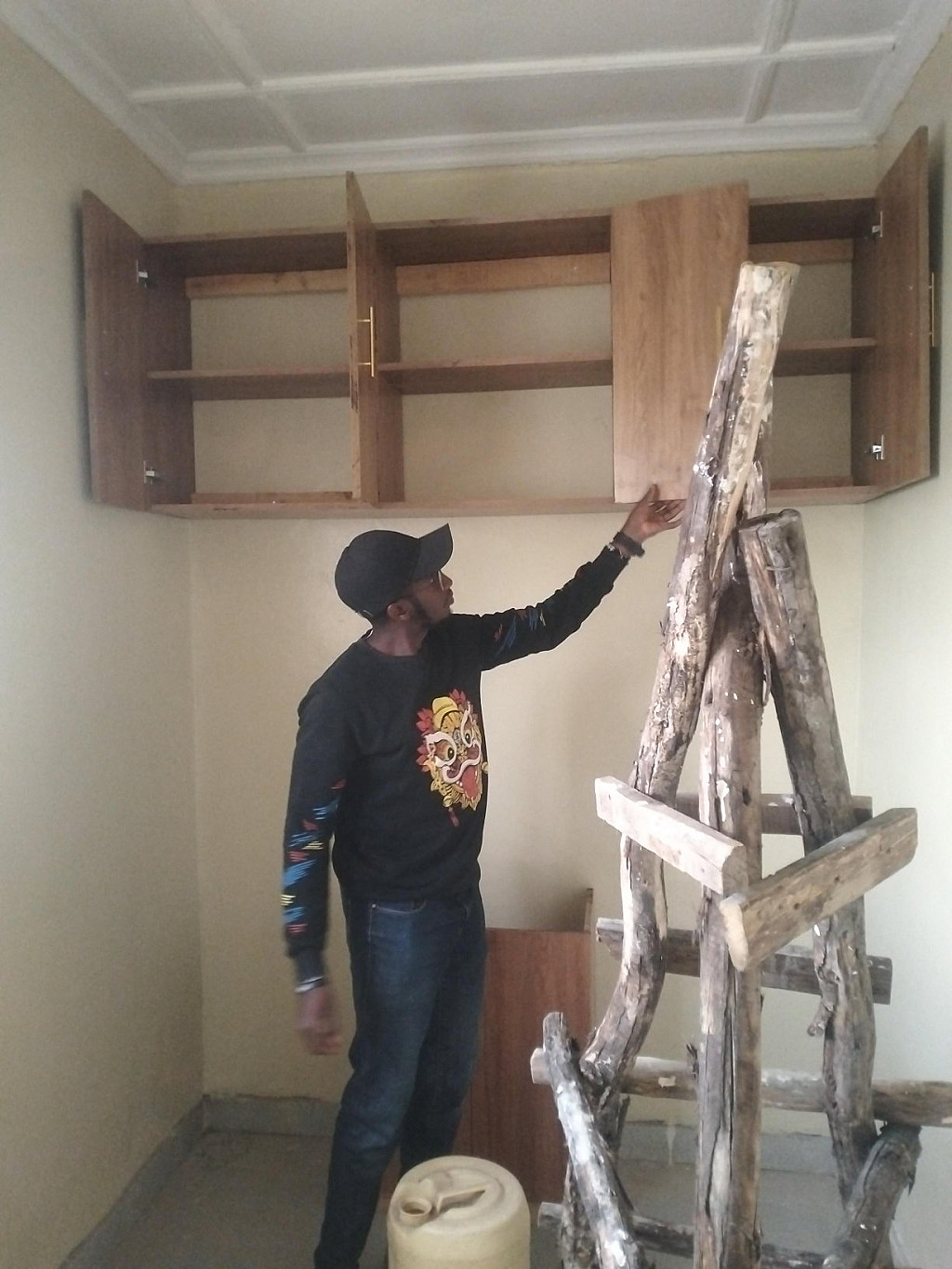
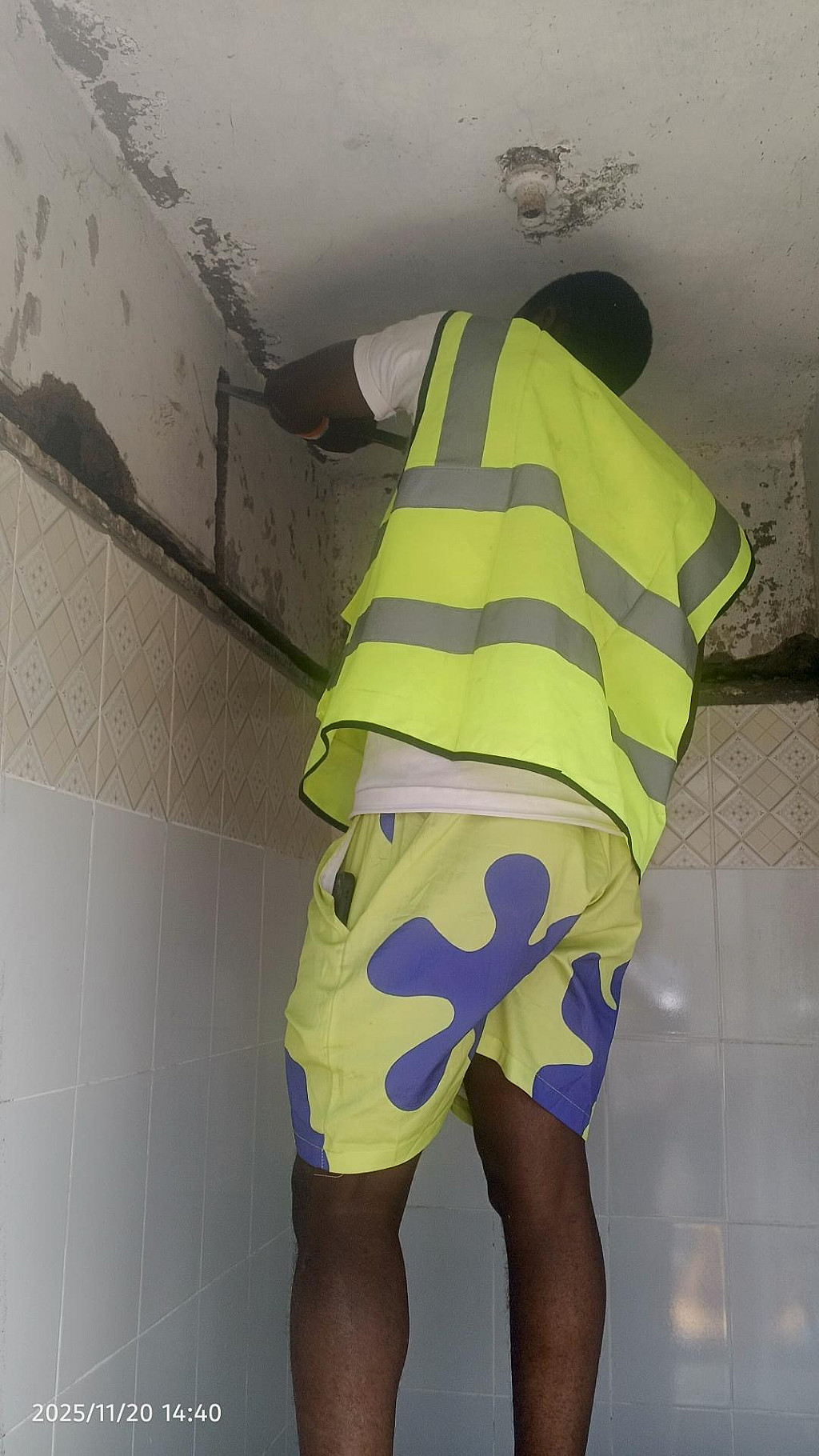
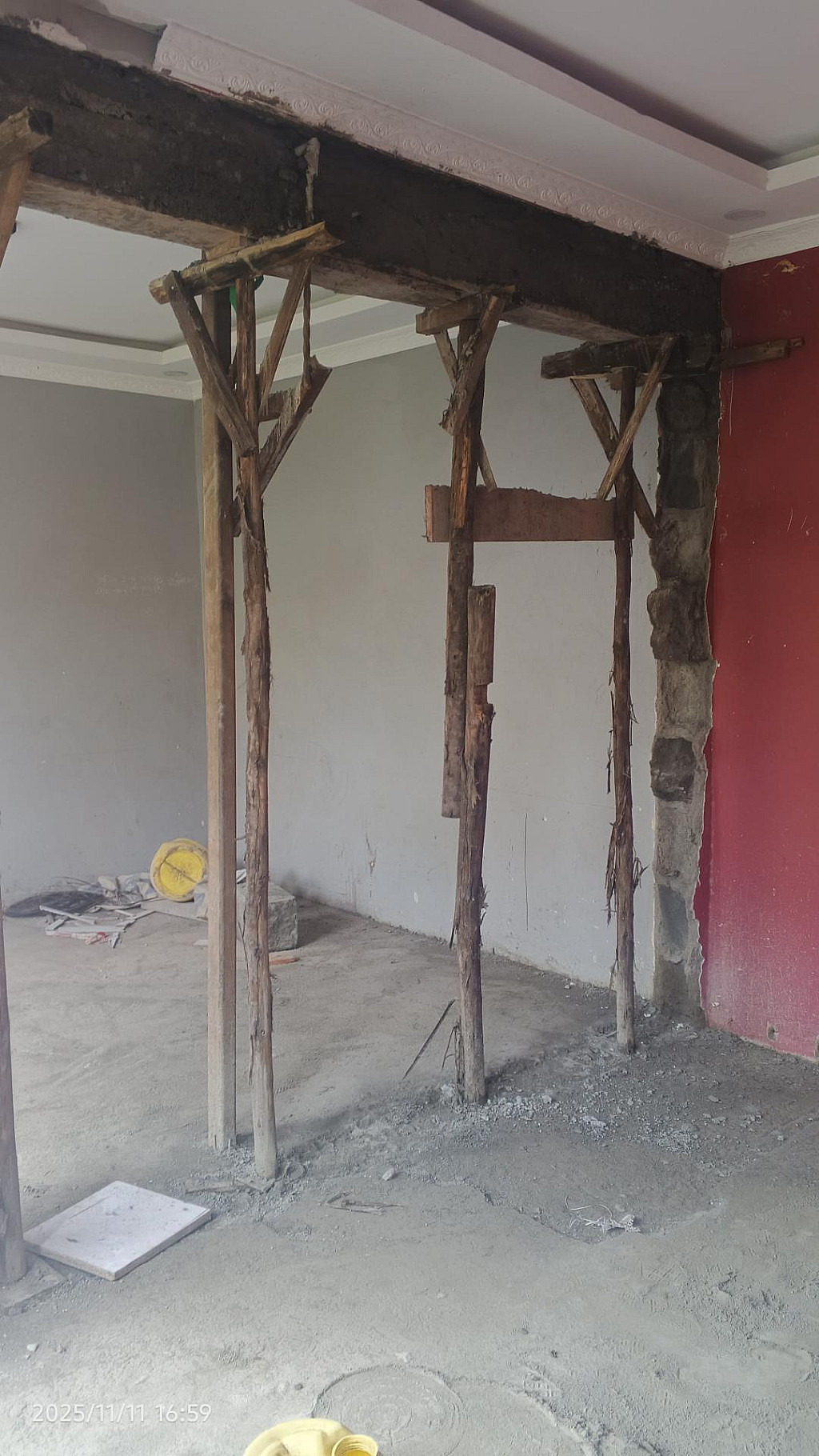
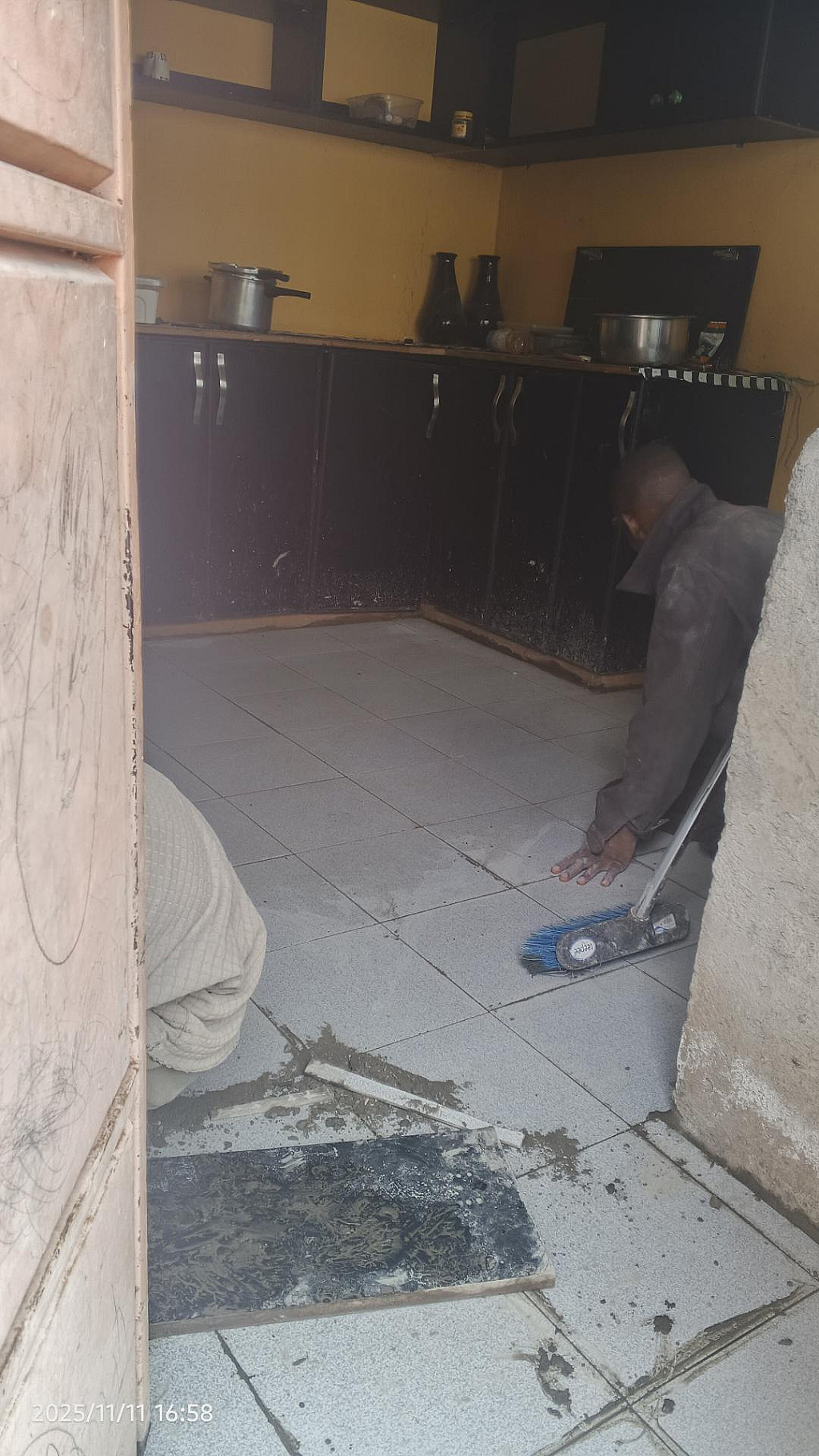
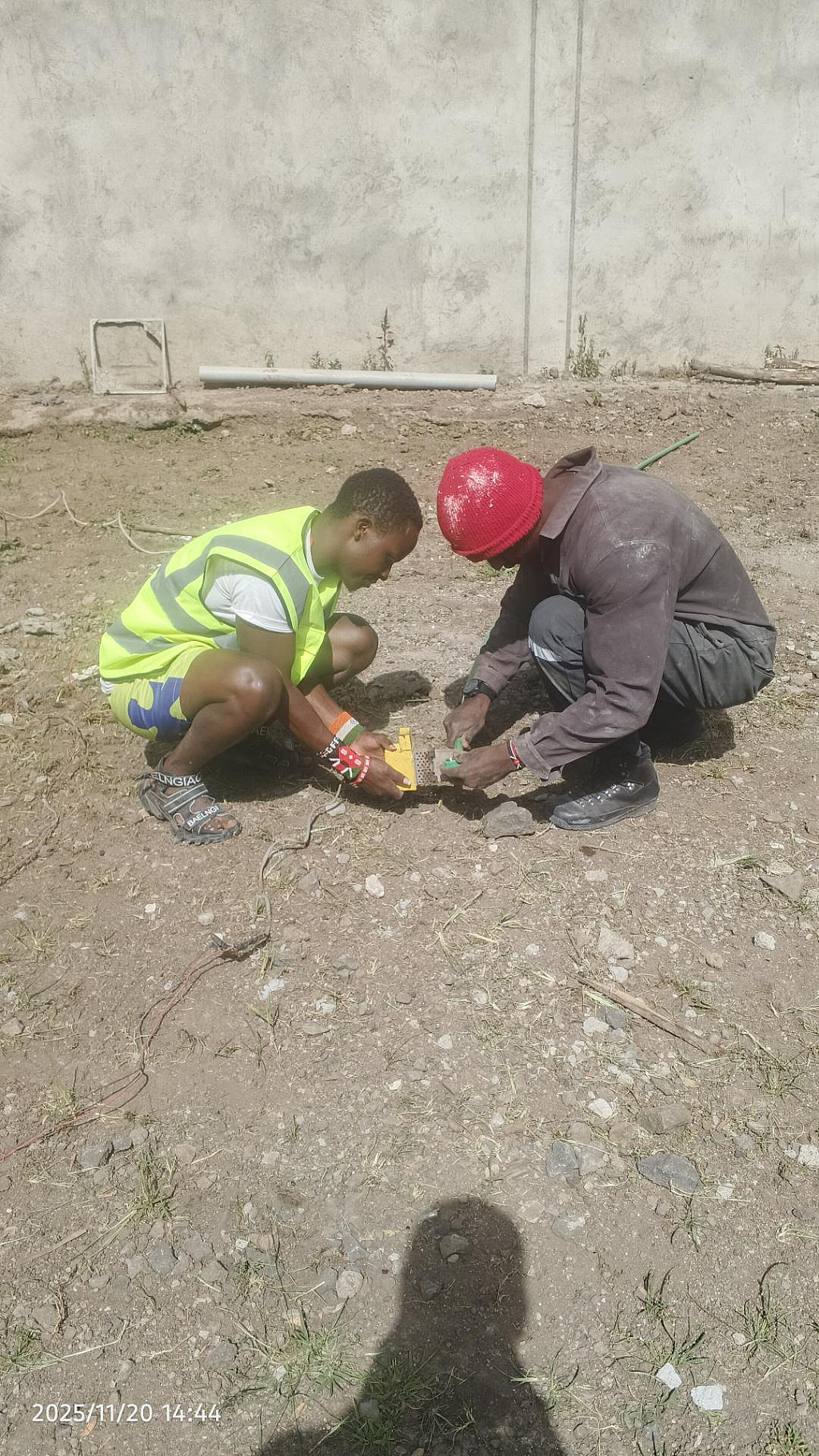
The Global Fast Fit Movement and Wellness center is now in existance. An idea concieved in our minds, discussed in many meetings and finally renovated with our very hands.
When we began the renovation of the wellness center, there was a clear budget, a defined scope, and an optimism that comes with imagining something finished before it exists. We know that failing to plan is planning to fail. So we planned everything in advance; the walls that needed to be torn down, the tiling, the painting the washroom repairs, the plumbing and electrical work, the furnishing and branding. We were so confident, we even started planning for an opening date. The costs made sense on paper. Materials were priced, labour was estimated. Concrete, tiles, fixtures- everything had a number attatched to it.
Time did not.
As the build progressed, it became clear that time was not a neutral backdrop to the work. Each additional day on site quietly translated into more money spent. Labour extended. Supervision repeated. Materials sat longer than planned. Small delays made room for bigger ones. The budget didn’t break all at once—it thinned gradually, stretched by time itself.
Time, I learned, costs more than concrete.
What made this especially complex was that the rising costs were not driven by extravagance or neglect, far from it, this project was like a third baby for us. We are even considering doing a ngemi for the opening ceremony, just like we do after the birth of a child. But I digress. The rising costs were the result of subtle, reasonable choices made over a long period. Work continued, but momentum slowed. Progress became less linear. The longer the project took, the more it asked of everyone involved—financially, mentally, and emotionally.
One of the quieter forces shaping this timeline was perfectionism—not as a personal trait, but as a way of working that often enters construction spaces unnoticed.
Perfectionism usually arrives with good intentions. It values quality, precision, and durability. In a building meant to last, these qualities matter. But when perfectionism becomes the primary driver rather than a supporting principle, it changes the relationship with time.
Functionally complete work is revisited. Minor details are refined again and again. Decisions pause while better options are explored. Progress slows, not because the work is poor, but because finishing feels premature. Perfectionism doesn’t look like delay—it looks like care. It is care.
And yet, each refinement carries a cost.
Time stretches. Labour extends. Momentum softens. The project remains open long enough for new risks to emerge, new changes to feel necessary, and new expenses to appear. Instead of moving forward, the work begins to circle itself. The longer it lasts, the more opportunities there are to notice what could be better.
Perfectionism thrives in extended timelines.
What struck me most was how this played out in the context of a wellness center. We were creating a space intended for grounding, healing, and regulation—yet the process itself was often tense and consuming. Decision fatigue set in. The desire for completion began to outweigh the desire for precision. Peace slowly became more valuable than savings.
This experience reshaped my understanding of quality. Excellence does not always come from endless adjustment. Sometimes, it comes from knowing when something is good enough to move forward. Good enough is a triggering word to high achievers. They or rather we, want the best of the best. A space does not need to be flawless to be safe, functional or meaningful. But it does need to exist.
Time, once stretched, does not stay empty. It fills—with cost, with stress, with lost opportunity. And in the end, it becomes the most expensive material on site.
If this project taught me anything, it is this: protecting momentum is as important as protecting standards. Because while concrete sets and hardens, time keeps moving—and it charges for every extra day.
Login to Comment