 Login with Google
 Signin with Apple
The 0.25-second mindset: Life as a Table Tennis Player
Cecilia , Kenya Aug 23, 2026

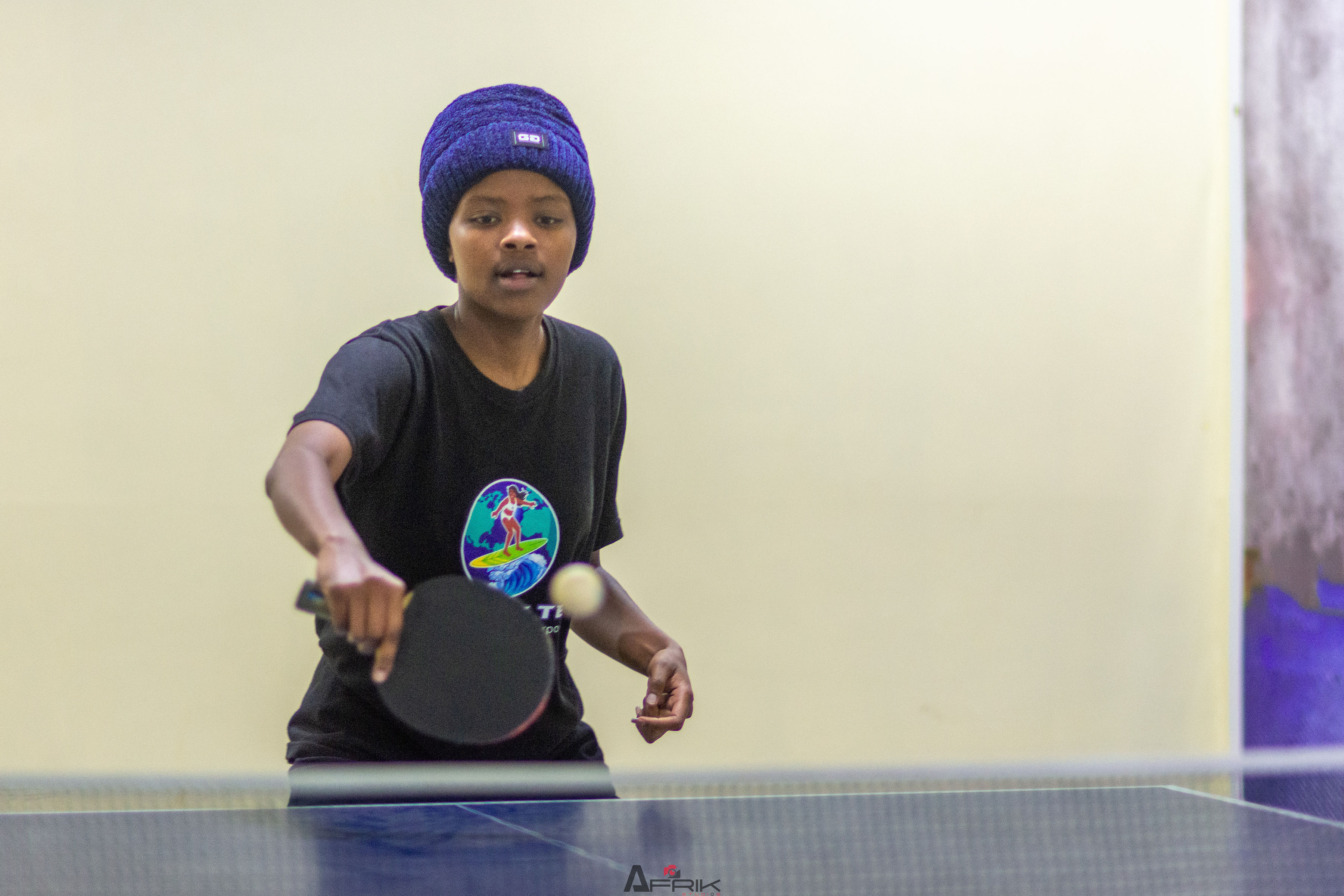
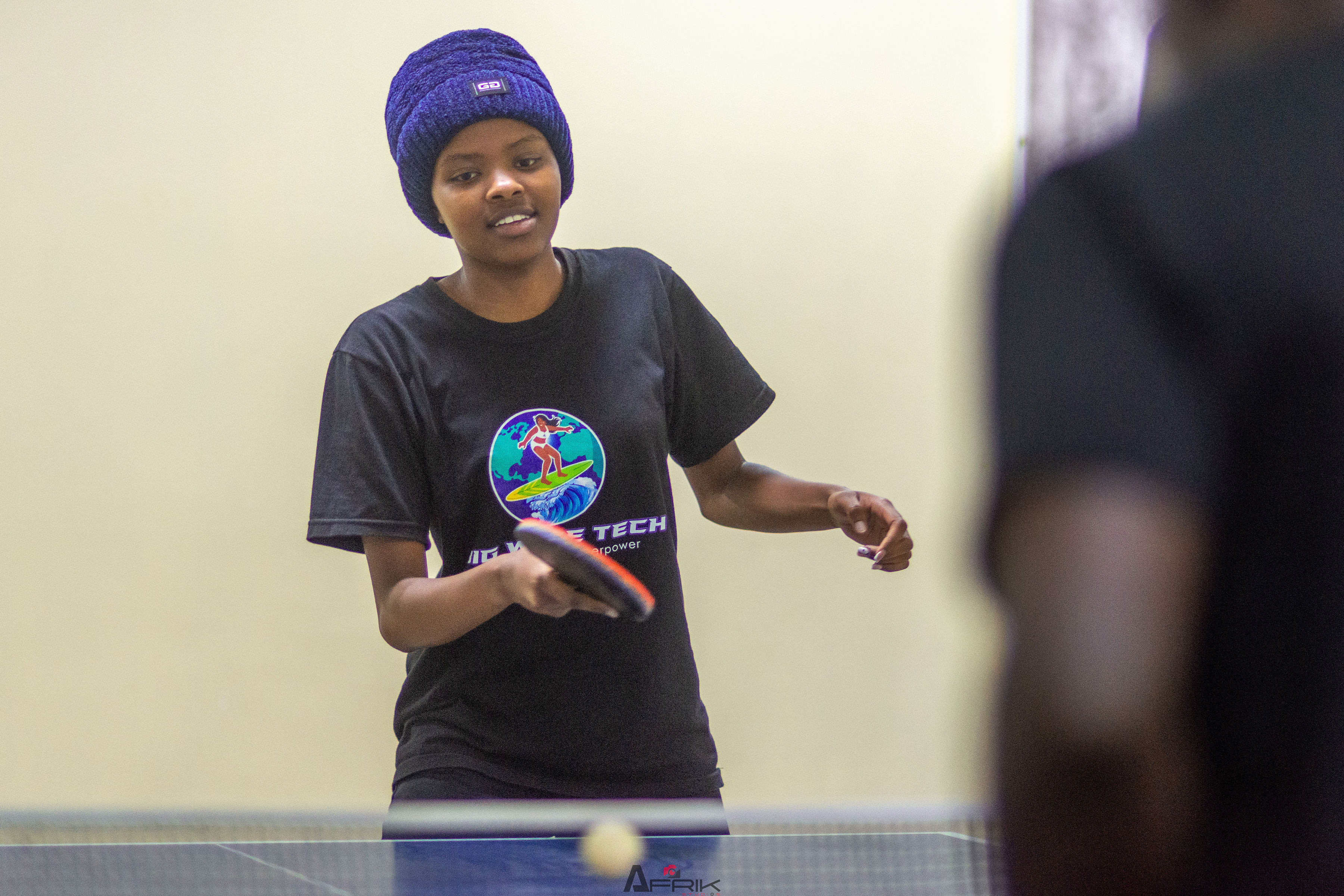
People usually think of table tennis as a relaxed basement hobby or a game played at a casual summer BBQ with a drink in one hand. But when you step onto the court competitively, the entire atmosphere transforms. It becomes a high-velocity chess match played at breakneck speed, where every single rally is a blur of intense physical focus, split-second tactical decisions, and explosive power. Living my life as a table tennis player means training my mind to process complex strategy in a matter of milliseconds while pushing my legs, core, and wrists to their absolute physical limit.
My daily training routine starts long before I ever pick up a paddle. Power in competitive table tennis doesn't actually originate from the arm, as many people assume. Instead, it starts in the legs, transfers through the hips, and snaps through the wrist. My mornings are filled with dynamic footwork drills and shadow swings to ensure I can cover all nine feet of the table in a fraction of a second. This is immediately followed by high-intensity drills where my robot feeds hundreds of balls at high speed. This repetition forces me to build pure muscle memory for every rotation, angle, and bounce, while conditioning my reflexes to instantly read subtle changes in incoming ball trajectories.
To keep pace with the game’s evolution, I’ve integrated smart AI technology into these high-volume sessions. Rather than firing balls in predictable, repetitive patterns, my app-controlled robot uses dynamic algorithms to instantly alter shot depth, interval timing, and spin variation in real time. Paired with smartphone computer vision tools tracking every rally, the AI maps my footwork speed and ball placement heatmaps across hundreds of shots. It turns raw multi-ball drills into an adaptive, match-like challenge—forcing my feet to move continuously and ensuring every micro-adjustment strengthens real, instinctive muscle memory under fatigue.
The intense physics of the sport make this level of preparation essential. In a high-level competitive match, a loop drive can travel upwards of 70 mph, with topspin reaching over 100 revolutions per second. With less than 0.25 seconds to react to an incoming ball, there is simply no time to stop, analyze, and deliberate. You have to trust your muscle memory, anticipate your opponent's next move, and execute your shot instantly without a moment of hesitation.
While the physical demands are rigorous, the mental battle is where matches are ultimately won or lost. Table tennis requires complete emotional control under immense pressure. When facing a rapid pace, I have to force myself to step forward toward the table rather than retreating backward. When dealing with heavy spin, I have to keep my body relaxed to generate a smooth counter-stroke. Tight scores demand that I reset my focus entirely between points, keeping my strategy simple and treating every ball as its own isolated contest.
Ultimately, being a table tennis player is about far more than just winning points or collecting trophies. It is about the pure, addictive feeling of hitting the perfect counter-loop, outsmarting a skilled opponent, and constantly striving to sharpen your focus. When I pack up my equipment at the end of a long day, my legs are tired and my energy is drained, but I wouldn't trade the thrill of life at the table for anything else.
Login to Comment