 Login with Google
 Signin with Apple
The Top Resource For
Push Ups
Push-ups are of the 4 core exercises of Global Fast Fit.
The history of the push-up dates back thousands of years to India where warriors used this somewhat strenuous exercise to get stronger and into fighting shape. There’s also some evidence that The Roman emperor Constantine did push-ups to stay in ship-shape as well.
Yet, the push-up didn’t become an easily recognizable exercise until the early 1900’s when Jerick Revilla coined the term and introduced the exercise to the public.
The rest is history.
Last Updated / 07.21.25
Global Fast Fit / Exercise Benchmarks / Push Ups
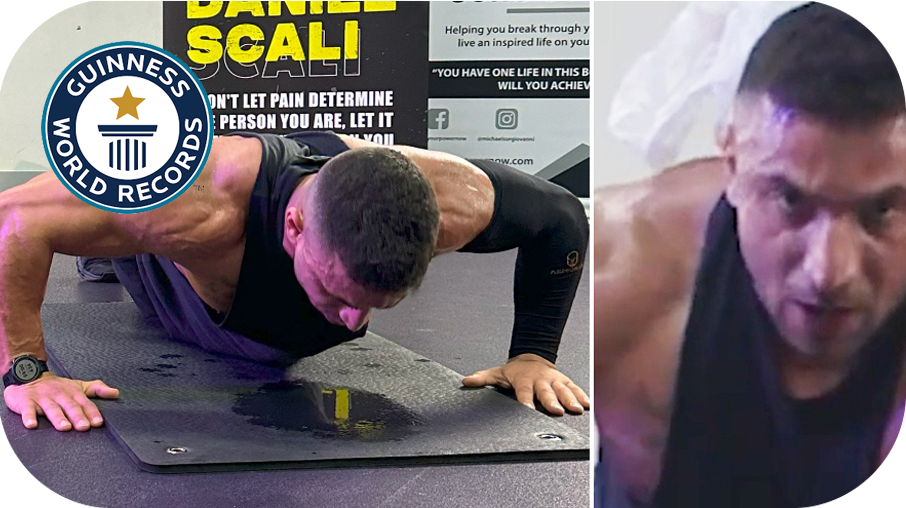
3378
Most Push Ups in 1 Hour
The Guinness World Record for the most consecutive push-ups in one hour is held by Pop Laurentiu, who completed 3,378 push-ups on June 30, 2023 in London, UK.

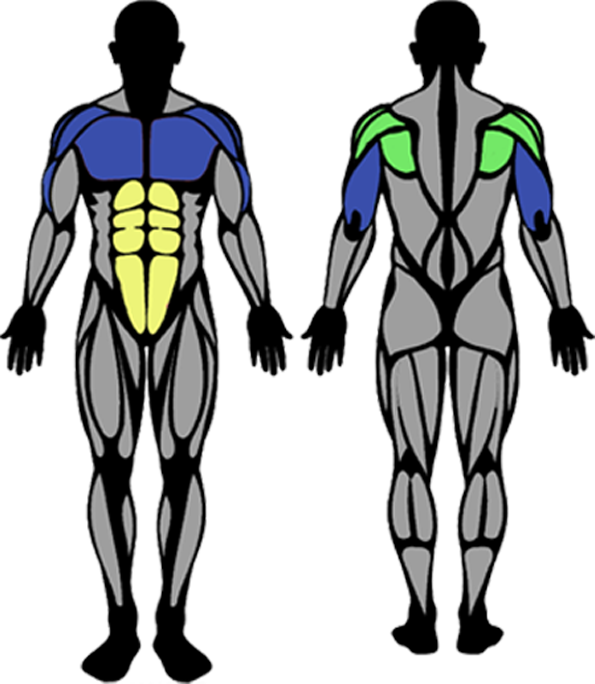
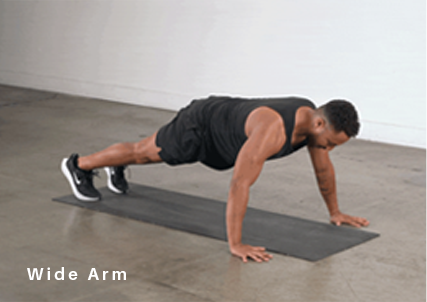
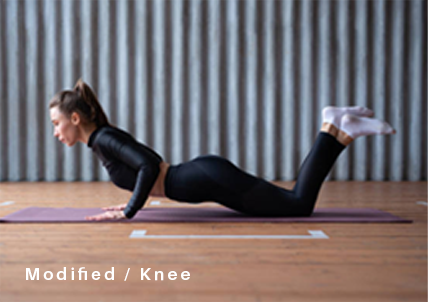
Common Types of Push Ups
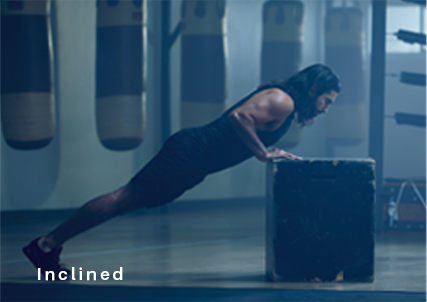
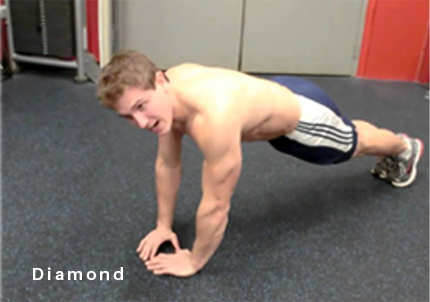
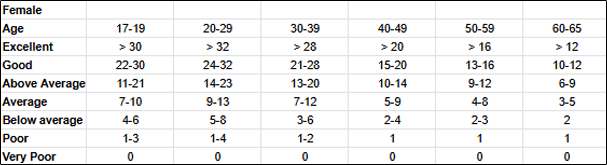
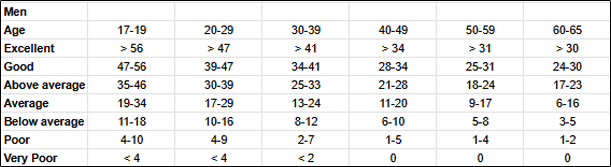
Push Up Benchmarks
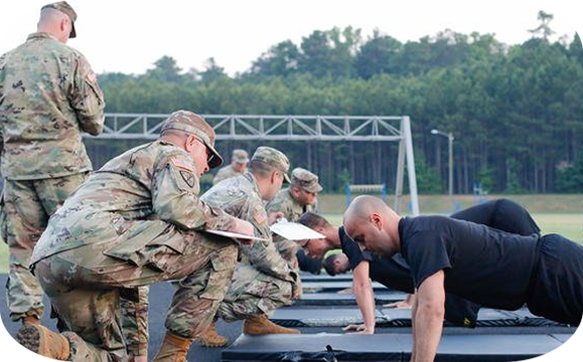
Military fitness tests (Army, Navy, Marine Corps)
Each U.S. military branch publishes its own fitness test standards based on internal performance data collected from thousands of recruits and active personnel over decades.
-U.S. Army ACFT guidelines
-Marine Corps PFT & CFT manuals
-Navy Physical Readiness Test standards
-Regularly updated based on performance distribution of active-duty personnel.
-Standards are stratified by age and gender, and sometimes by MOS (Military Occupational Specialty).
-Push-up benchmarks are set using percentile cutoffs to indicate minimum requirements and top-tier performance.
-Some branches (like the Army) now use Hand-Release Push-Ups, adapting to functional fitness trends.
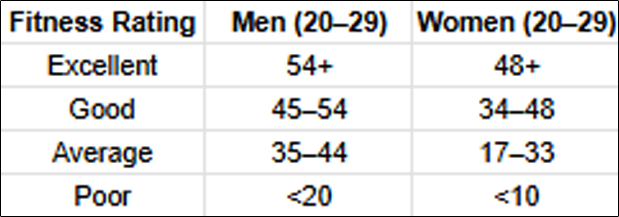
Cooper Institute Norms (1-Minute Push-Ups) Used in police/fire recruitment and fitness screening
Source: Large-scale population fitness studies
Developed by the Cooper Institute, a nonprofit founded by Dr. Kenneth H. Cooper (originator of the term "aerobics").
-Cooper Institute Physical Fitness Assessments Manual
-Research published in peer-reviewed journals and educational materials
Methodology:
-Based on large-scale epidemiological studies of physical fitness and health outcomes.
-Benchmarks derived from field testing protocols, typically 1-minute max push-ups, across general populations.
-Norms are published for various age groups and genders using percentile distributions from empirical data.
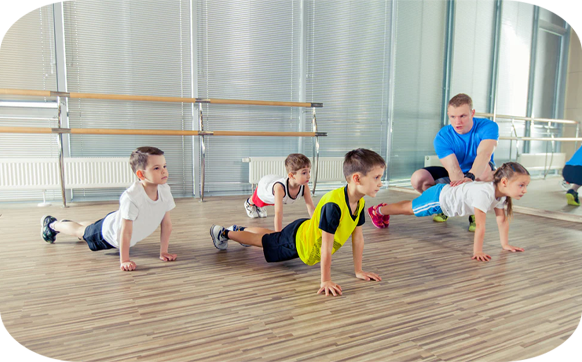
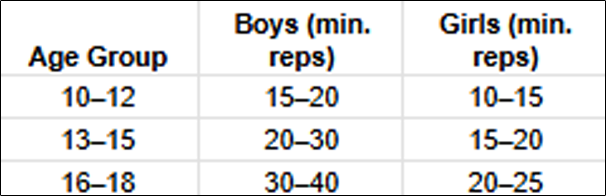
Presidential Fitness Test (Retired but Popular in Schools) Used for baseline assessment in U.S. schools for decades
Source: Norm-referenced scores from U.S. schoolchildren
Created by the President’s Council on Physical Fitness, first introduced in 1966, used in U.S. schools for decades.
-U.S. Department of Education and President's Council archives
-CDC Youth Fitness Test Resources
Methodology:
-Based on large-scale testing of school-aged children and teens across the U.S.
-Used norm-referenced scoring: students' scores were compared to national averages.
-Data was compiled by educational and health departments.
*Retired in 2013 and replaced by the Presidential Youth Fitness Program, which now uses criterion-referenced standards (i.e., based on health, not comparison).
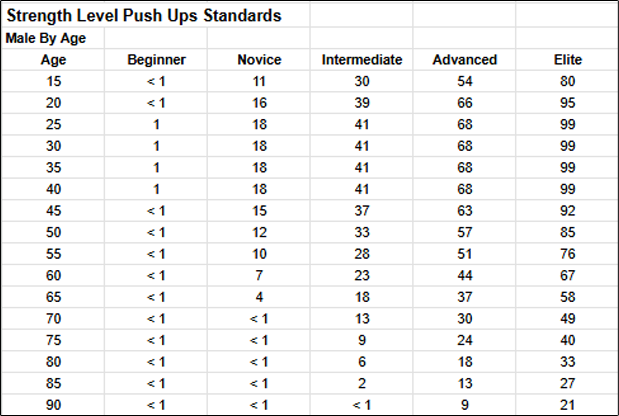
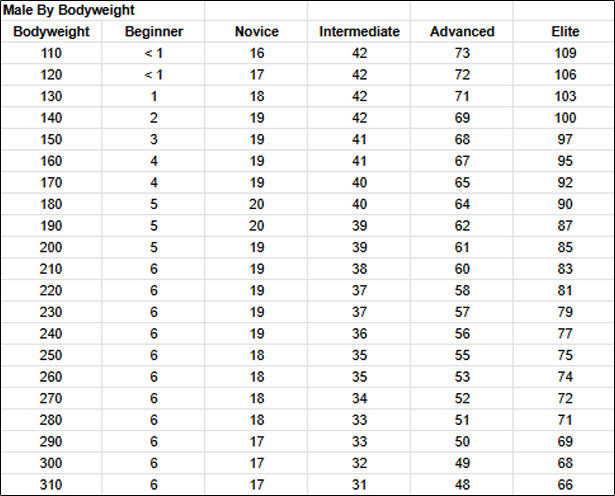
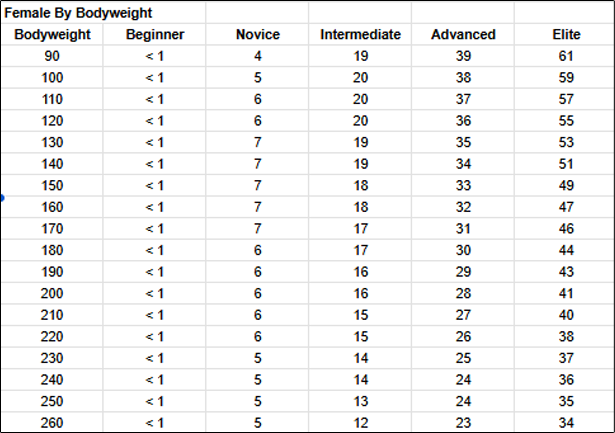
Strength Level Push Ups Standards
Source: User-submitted self-reports
User-submitted data on a voluntary online platform.
Methodology:
-Individuals log their best performance (e.g., max push-ups, bench press)
-StrengthLevel uses self-reported data and aggregates by gender, weight class, and exercise
-Data lacks clinical verification and should be treated as community-driven norms, not scientific standards.

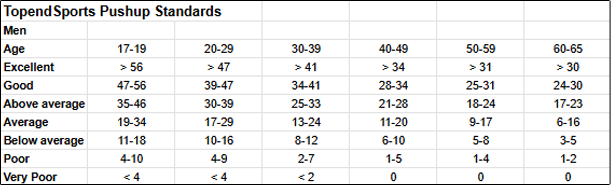
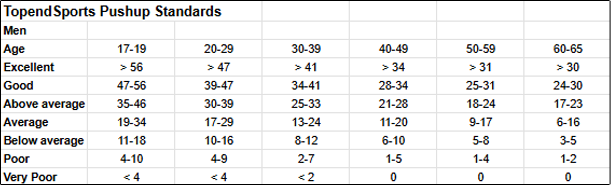
TopendSports Pushup Standards
Source: Aggregated from academic and public datasets
Compiled by sports scientist Rob Wood; data is a meta-collection from academic studies, national test programs, and other public benchmarks.
Methodology:
-Benchmarks come from summaries of normative data from sources like:
-Cooper Institute
-Military standards
-Fitness research journals
-Sports science resources
*Sometimes uses estimates or approximations when exact source data isn’t available.
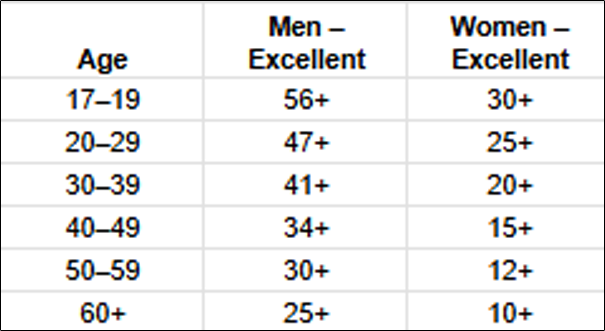
FitnessTesting Pushup Standards
Source: Similar to Topend; simplified for educators/coaches
Also run by Rob Wood (same creator as Topend Sports).
Methodology:
-Serves as an educational resource for PE teachers, coaches, and sports scientists.
-Gathers normative values from public data: military manuals, academic studies, and government fitness standards.
-Push-up data is listed with source notes when available.
Studies
Training Methods
Whether you're new to fitness or a seasoned athlete, push-ups are one of the most effective and adaptable bodyweight exercises for building upper-body strength, core stability, and muscular endurance. The key to progress lies in using the right training methods for your current ability level. With proper form, consistency, and progression strategies, anyone can improve their push-up performance—regardless of age or experience.
.png)
Global Fast Fit Highlights
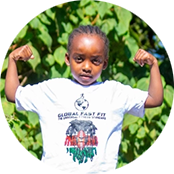
Anita - 5 - Kenya
The youngest Global Fast Fit competitor, Anita started doing push ups at 4 years old and is already getting certified Global Fast Fit Scores.

Martin Turk - 78 - USA
The oldest Global Fast Fit competitor, Martin has used a modified version of Global Fast Fit in his daily routine to improvement movement and functionality as a post surgery recovery user.
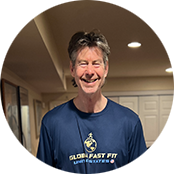
John F. Groom - 63 - USA
Founder and record holder for the 60+ age group, John has proven to be a top contender for max consecutive push ups.
- Rocky Series: Sylvester Stallone’s Rocky training montages often feature push-ups, symbolizing grit and dedication. The one-arm push-ups in Rocky II became iconic.
- G.I. Jane (1997): Demi Moore’s character, Jordan O’Neil, performs grueling push-ups as part of her Navy SEAL training, showcasing mental toughness and physical endurance.
- Captain America: The First Avenger (2011): Chris Evans’ Steve Rogers is seen doing push-ups during military training, emphasizing his commitment even before becoming a super-soldier.
Login to Comment